


-

Add: HeBei ShengShi HongBang Cellulose Technology CO.,LTD.
-

Email
13180486930@163.com -

CONTACT US
+86 13180486930

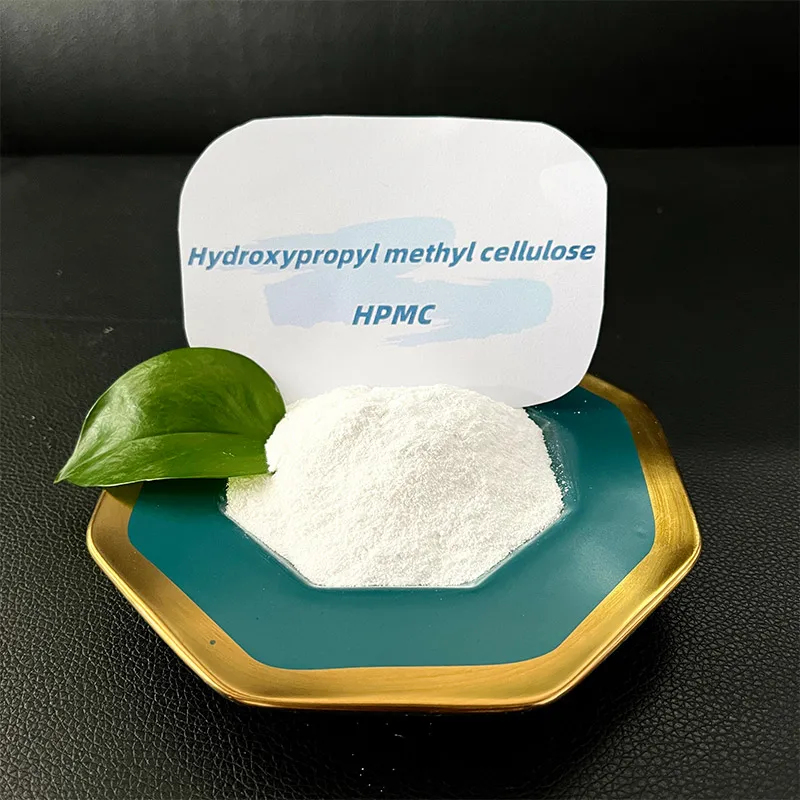


Elevating your eye care routine with HPMC eye gel can transform both comfort and ocular health. This innovative product is designed to offer relief and moisture, particularly for individuals who struggle with dry eyes. HPMC, or Hydroxypropyl Methylcellulose, is renowned for its exceptional effectiveness as a lubricant, forming a protective, soothing film over the surface of the eye. Understanding the Mechanics of HPMC Eye Gel Hydroxypropyl Methylcellulose is a semi-synthetic, inert, viscoelastic polymer used in the preparation of eye gels. Its unique properties make it an ideal candidate for ocular applications. When applied, the gel mimics the action of natural tears, providing moisture that helps alleviate irritation caused by environmental conditions, long screen hours, or ocular surgery. The essence of HPMC in eye gels lies in its biocompatibility and ability to retain moisture, providing long-lasting comfort without compromising vision clarity. Science Behind the Sustainability of Moisture The HPMC eye gel's mechanism of action includes the formation of a protective barrier on the ocular surface. This barrier aids in reducing water evaporation and maintains the natural tear film stability. Studies have demonstrated that HPMC can enhance the precorneal residence time, thus prolonging the gel's soothing effect. By optimizing hydration, it significantly improves symptoms like grittiness, dryness, and discomfort, which are commonly reported by those who suffer from chronic dry eye syndrome. Clinical Expertise and Benefits of HPMC Eye Gel Research and clinical trials affirm the gel's efficacy in improving eye health. Its unique formulation is particularly beneficial for patients with moderate to severe dry eyes and those recovering from LASIK or other refractive surgeries. Ophthalmologists often recommend HPMC eye gel because of its superior performance in lubricating the eye surface. It is fragrance-free, reducing the likelihood of allergic reactions, and its non-preservative versions are ideal for sensitive eyes. Real User Experiences and Satisfaction Rates User testimonials highlight the transformative impact of HPMC eye gel. Many users report immediate relief from dryness and enhanced comfort during prolonged computer use and exposure to air-conditioned environments. The gel's easy application and non-blurring formula make it a preferable choice for daily use. High satisfaction rates are attributed to its rapid onset of action and ability to substantially reduce reliance on frequent eye drop applications. hpmc eye gel Endorsement by Experts in Ophthalmologic Care Ophthalmologists and optometrists advocate for the use of HPMC eye gel due to its established track record in delivering consistent and reliable results. Its acceptance within medical practices is a testament to its clinical proof in managing symptoms associated with dry eyes. Health professionals emphasize its role as a potent tool in ocular wellness, contributing significantly to maintaining ocular health for patients across various spectrums. Sustainable Production and Trust in Quality HPMC eye gel combines cutting-edge technology with sustainable production practices. The integrity of its ingredients and the rigor of its manufacturing processes underscore the brand's commitment to quality assurance. Certified by relevant health authorities, the product guarantees a high standard of care, aligning with environmental and ethical concerns increasingly prioritized by consumers. Future of Eye Care Innovation at Its Core The dynamics of ocular health care are constantly evolving, with HPMC eye gel positioned at the forefront of this change. Emerging research in biomaterials continues to enhance its efficacy and applications . By investing in such innovative products, consumers are embracing a future where eye health transcends traditional boundaries, promoting holistic wellness and improved quality of life. In conclusion, HPMC eye gel stands as a pioneering product, intertwining scientific advances with practical benefits. Its ability to enhance eye comfort, accommodate contemporary digital lifestyles, and earn professional endorsements underscores its indispensable role in eye care today. Clients seeking a reliable solution for dry eye symptoms will find HPMC eye gel not only meets, but often exceeds, safety and efficacy expectations, ensuring eyes are well-protected and hydrated.
- 40000tons

Production
- 20+years

Experience
- 5000+㎡

Acreage

-
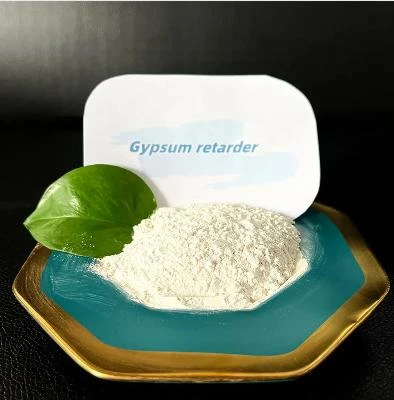
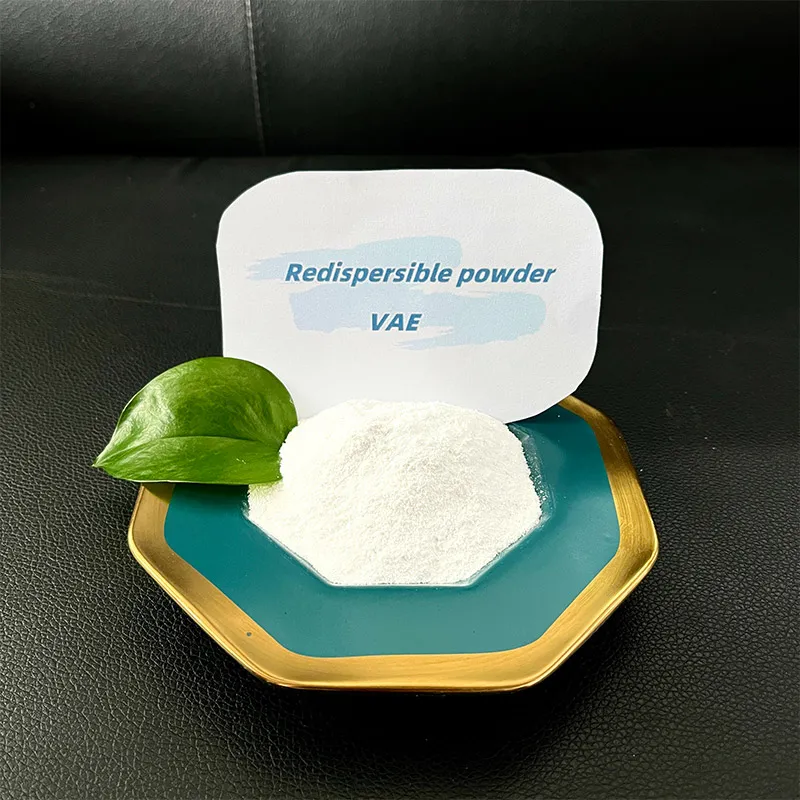
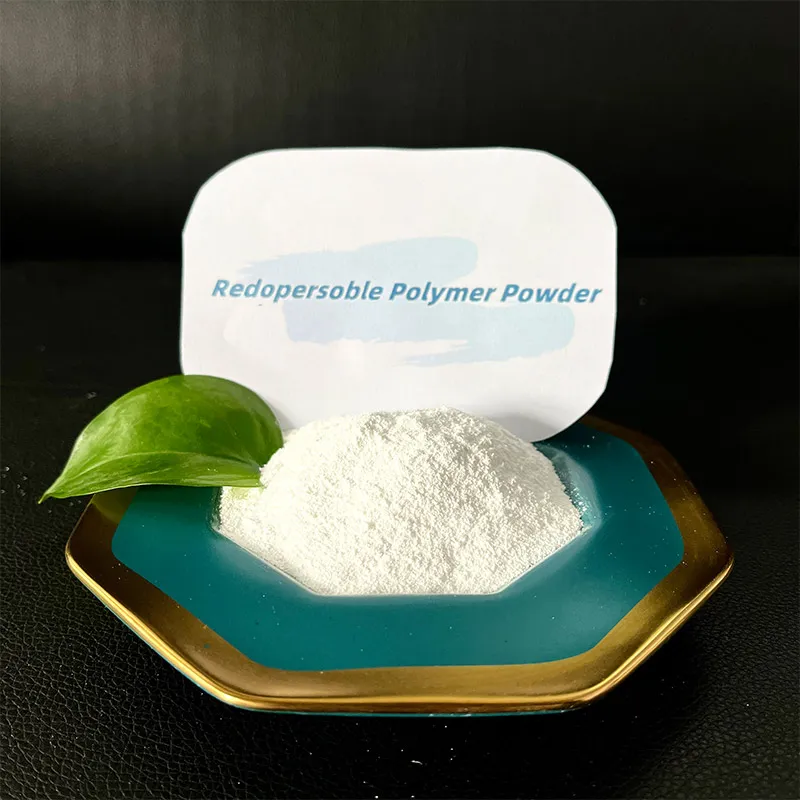
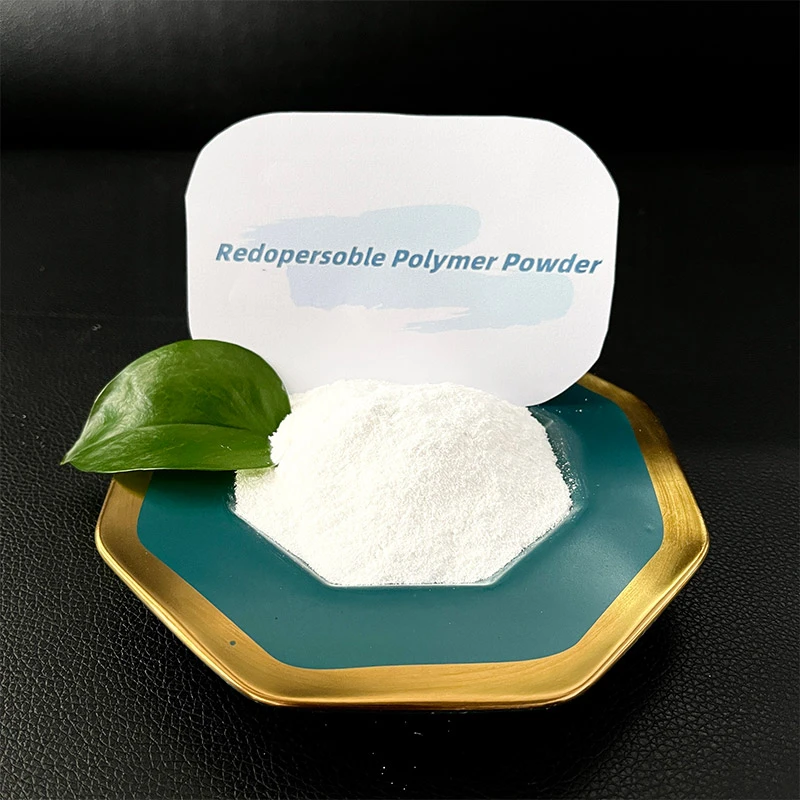
Company Overview HeBei ShengShi HongBang Cellulose Technology CO.,LTD. Visit Official Website Tel: +86 13180486930 Mobile: +86 13180486930 Email: 13180486930@163.com Address: HeBei ShengShi HongBang Cellulose Technology CO.,LTDRoom 1904, Building B, Wanda Office Building, JiaoYu Road, Xinji City, Hebei Province Product Details Product Name: Redispersible powder VAE Product Overview: Re-dispersible polymer powder products are a significant innovation in the realm of construction and industrial applications, offering versatile solutions due to their unique properties and capabilities. Product URL: https://www.sshbhpmc.com/redispersible-powder-vae.html Introduction to Redispersible Emulsion Powder and Its Industrial Importance Redispersible emulsion powder is a specialized additive manufactured from synthetic resin polymers, commonly VAE (Vinyl Acetate-Ethylene) copolymers. This advanced material is primarily designed to enhance flexibility, adhesion, water resistance, and workability in a variety of applications, especially within the construction sector. As a fine free-flowing powder, redispersible emulsion powder is produced by spray drying polymer emulsions with protective colloids. Upon contact with water, the powder re-disperses rapidly into a stable emulsion, restoring its original properties and integrating seamlessly into cement, mortar, and gypsum-based systems. According to the ScienceDirect Redispersible Polymer Powder Overview , “Redispersible powders are indispensable in drymix mortars, offering enhanced bonding strength and flexibility while improving end-user convenience.” With modernization and rising quality requirements in new buildings, renovations, and prefabricated components, redispersible latex powder and related products like polymer powder have seen a steady upward trend in demand worldwide. Industry Trends: Market Growth and Application Prospects The redispersible emulsion powder market is witnessing robust growth thanks to its rising utilization in: Durable tile adhesives High-flexibility wall putties and plasters Self-leveling flooring compounds External insulation & finishing systems (EIFS) Waterproofing membranes and hydro-insulation layers Gypsum-based renderings and repair mortars Flexible cementitious grouts According to Mordor Intelligence , the global redispersible powder market is expected to surpass USD 3.5 billion by 2027, driven by mega construction projects, sustainable building practices, and rapid infrastructure development in Asia-Pacific, Middle East, and Latin America. Key Chemical and Technical Parameters Table Parameter Typical Value (VAE Type) Significance Appearance White, free-flowing powder Ensures ease of drymix blending Solid Content (%) ≥98.0 Indicates quality, performance reliability Particle Size (µm) 80–150 Impacts dispersibility in mixes pH Value 5.0–8.0 Compatible with cementitious systems Polymer Base VAE (Vinyl Acetate-Ethylene Copolymer) Delivers desired flexibility and strength Minimum Film Forming Temperature (°C) 0–5 Enables application in various climates Redispersibility (%) ≥95.0 Assures rapid, thorough reactivation in water Protective Colloid Polyvinyl alcohol (PVA) / Cellulose ethers Affects stability and shelf-life Bulk Density (g/L) 400–600 Facilitates volumetric dosing Technical Parameter Trends ( Redispersible Emulsion Powder ) VAE Redispersible Powder: Application Scenarios and Value Proposition VAE redispersible powder , such as the "Redispersible powder VAE" by HeBei ShengShi HongBang Cellulose Technology, is essential in: Tile adhesives & grouts – ensures powerful bonding, improved slip resistance, and flexibility. EIFS/ETICS – critical for weather resistance and crack bridging in insulation systems. Self-leveling screeds – imparts smooth application, shrinkage control, and higher durability. Gypsum plasters – upgrades their strength and surface cohesion. Waterproofing mortars – improves adhesion and abrasion resistance in wet areas. Repair mortars – boosts structure repair with excellent adhesion and flexibility. Innovative product engineering and the continuous improvement in VAE polymerization, as highlighted in ResearchGate studies , have broadened the versatility and market reach of redispersible powders in construction and industrial fields. Comparison & Visualization of Redispersible Powder VAE Technical Indicators The graphs above present a comprehensive view of redispersible powder VAE technical characteristics, confirming reliability and optimal performance for advanced construction chemistry. FAQ: Professional FAQ about Redispersible Emulsion Powder (VAE Type) 1. What is Redispersible Emulsion Powder made of? Primarily synthesized from VAE (Vinyl Acetate-Ethylene) copolymers , combined with protective colloids such as PVA and cellulose ethers, ensuring stability and easy re-dispersion. 2. What are the available grades/specs for construction applications? Different grades depend on polymer composition and particle size; e.g., grades with varying ethylene/VAc ratios, solid content (≥98%), and minimum film forming temperature for climate adaptability. 3. What installation standards are supported? Redispersible emulsion powders conform to standards like ASTM C472, EN 12004 (Tile Adhesives), and ASTM C91 (Masonry Mortars), ensuring compliance with both local and international regulations. 4. How does redispersible powder improve final mortar properties? It enhances flexibility, tensile strength, water resistance, workability, adhesion , and crack resistance—making mortars more durable and reliable under varying site conditions. 5. Are there environmental or safety certifications? Yes. Major polymer powder producers like SSHB hold ISO9001, ISO14001 certifications, and raw materials meet REACH & RoHS directives for environmental safety. 6. Can redispersible latex powder be stored long-term? What are best practices? Absolutely. Store below 30°C in a dry, sealed condition, avoid direct sunlight, and use moisture-resistant packaging. Standard shelf life is 12–24 months. 7. How does VAE compare with other polymer base options? VAE offers superior flexibility and workability at an economical cost, whereas acrylic-based powders focus on higher water resistance but at increased cost. Why Choose HeBei ShengShi HongBang Cellulose Technology CO.,LTD.? Expertise: Over a decade producing redispersible emulsion powder for clients across five continents, serving both generic and customized OEM/ODM requests. Authoritativeness: Renowned technical R&D team and laboratory, cited by forums like ChemLinked . Trustworthiness: Strict quality control, traceable raw materials, and robust logistics management support global projects reliably. “The integration of VAE-based redispersible emulsion powders in high-performance mortars continues to reshape the construction chemistry landscape.”— Journal of Cleaner Production References & Industry Citations For additional technical insights, market data, and scholarly analysis on redispersible emulsion powder and redispersible powder VAE , consult: ScienceDirect – Redispersible Polymer Powder ResearchGate – Application of Redispersible Polymer Powder in Mortar Mordor Intelligence – Market Report ChemLinked – Market Analysis Journal of Cleaner Production To order redispersible emulsion powder , customized VAE grades, or to consult with our experts, please contact HeBei ShengShi HongBang Cellulose Technology CO.,LTD. by email at 13180486930@163.com or call +86 13180486930 .
-
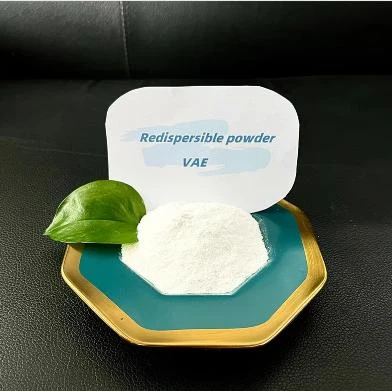
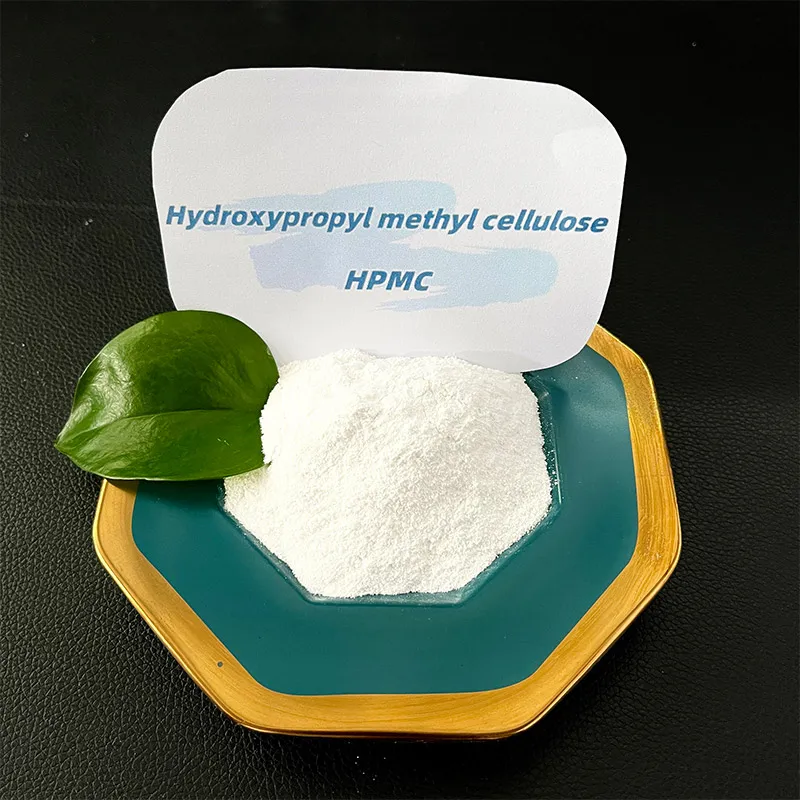
Hydroxypropyl methylcellulose (HPMC) has been a prominent player in the world of construction and pharmaceuticals owing to its versatile properties . The pricing landscape of HPMC can fluctuate due to several factors, crucial for businesses and stakeholders to understand for strategic decision-making. This article delves into the nuances of HPMC pricing while integrating real-world insights, professional knowledge, authority, and reliability. HPMC is celebrated for its multifunctionality, providing thickening, emulsifying, and stabilizing properties. These attributes render it indispensable in industries ranging from building materials to personal care products. The price of hydroxypropyl methylcellulose is influenced by raw material costs, production processes, and market demand, which are intertwined intricacies every professional should comprehend. Insights from Industry Experts Engaging with industry experts reveals that one of the pivotal factors affecting HPMC pricing is the cost of raw cellulose and the chemicals used in its etherification. Fluctuations in cellulose prices, often affected by agricultural conditions and supply chain disruptions, directly impact HPMC costs. In addition, energy prices carry weight in the pricing equation due to the energy-intensive process of producing HPMC, making it susceptible to global geopolitical situations that alter energy market dynamics. The Role of Market Demand Market demand plays a critical role in establishing HPMC prices. As more industries discover innovative applications for HPMC, the demand chain expands. For example, in construction, the escalating demand for sustainable and green building materials has intensified interest in HPMC due to its environmental benefits and role in reducing material waste. Additionally, the burgeoning pharmaceutical sector relies on HPMC as an excipient, further driving demand. hydroxypropyl methylcellulose price Authoritative Market Analysis An authoritative analysis of current market trends shows that China and India are significant production hubs for HPMC due to their abundant raw material resources and cost-effective production capabilities. Key players in these regions often have a significant influence on global pricing structures. Furthermore, regulatory changes concerning environmental policies in these countries can lead to shifts in production costs, consequently affecting international prices. Trustworthy Sources and Reports Relying on trustworthy market reports and data from established financial analytics firms provides deeper insights into pricing trends and forecasts. Recent reports indicate that prices have been moderately stable, with anticipated growth attributed to advancements in application technology and increasing environmental awareness among consumers. Strategic Recommendations Businesses relying on HPMC should adopt a strategic approach to mitigate price volatility risks. Diversifying supply sources, investing in local production facilities, and adopting alternative technological methods are potential strategies to achieve cost efficiency and stable pricing. Moreover, maintaining transparent relationships with suppliers can foster mutual trust and facilitate better negotiated pricing. In conclusion, understanding the pricing structure of hydroxypropyl methylcellulose involves an intricate blend of raw material costs, market demand dynamics, and regional economic policies. For businesses in construction, pharmaceutical, and beyond, a forward-thinking strategy backed by expert insight and authoritative data sources can ensure effective management of costs associated with this essential compound.
advantages
-

200000 Viscosities
Excellent product
We can produce pure products up to 200,000 viscosities
-

40000 tons
High yield
We don’t stop production all year round, and the annual output can reach 40,000 tons
-

24 hours
Quality service
We provide 24-hours online reception service, welcome to consult at any time
———— Inquiry Form
Schedule A services

-
 poudre_redispersable
Oct . 25, 2025
In the realm of construction and architecture, building coating adhesives have become an essential c -
 hydroxypropyl_starch_phosphate_curly_hair
Oct . 25, 2025
Hydroxypropyl Methylcellulose (HPMC) has become an indispensable component in various industries due -
 hydroxypropyl_methylcellulose_thickener
Oct . 25, 2025
Hydroxypropyl Methyl Cellulose Ether Applications and Benefits Hydroxypropyl methyl cellulose ether


